Facing the idea of brain surgery can be overwhelming, especially if you are told it will be done while you are awake. This page answers the most common questions patients ask about Awake Craniotomy (a.k.a. Awake Brain Surgery) so you can feel informed and reassured.
General Questions
What is Awake Craniotomy?
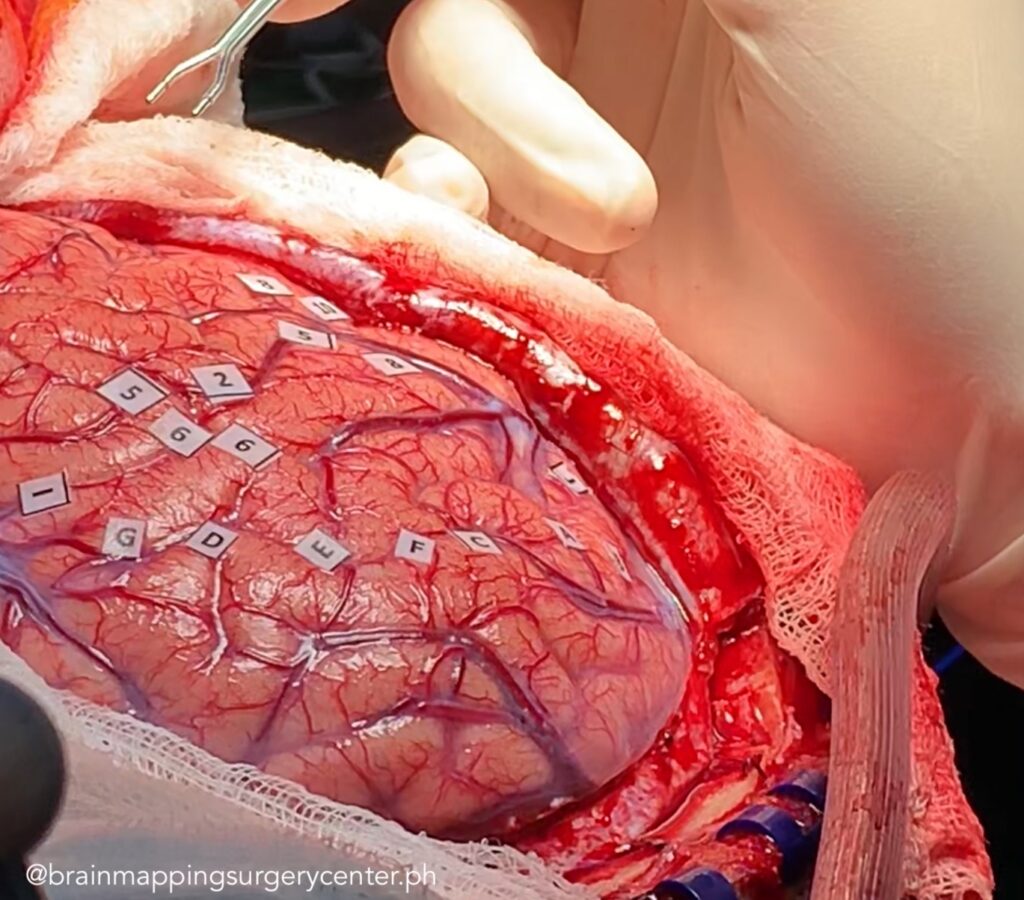
Awake Craniotomy, also called awake brain surgery, is a procedure where you are pain-free and only awake during the critical brain mapping phase. It allows your surgical team to directly check your motor skills, speech, memory, comprehension, and other higher-level cognitive functions in real time to avoid damaging important areas of your brain.
Is Awake Craniotomy suitable for all brain surgeries?
Not always. But it is considered as the standard of care for Glioma tumors. The decision depends on what type of brain tumor or vascular lesions, its location, size, and your health. Your neurosurgeon will recommend the safest approach for your condition.
Why do some brain surgeries need to be awake?
Certain areas of the brain control essential functions like speaking, moving, or understanding language. Being awake during part of the surgery allows your neurosurgeon to map these areas and protect them while removing the tumor or abnormal tissue.
Is Awake Craniotomy safe?
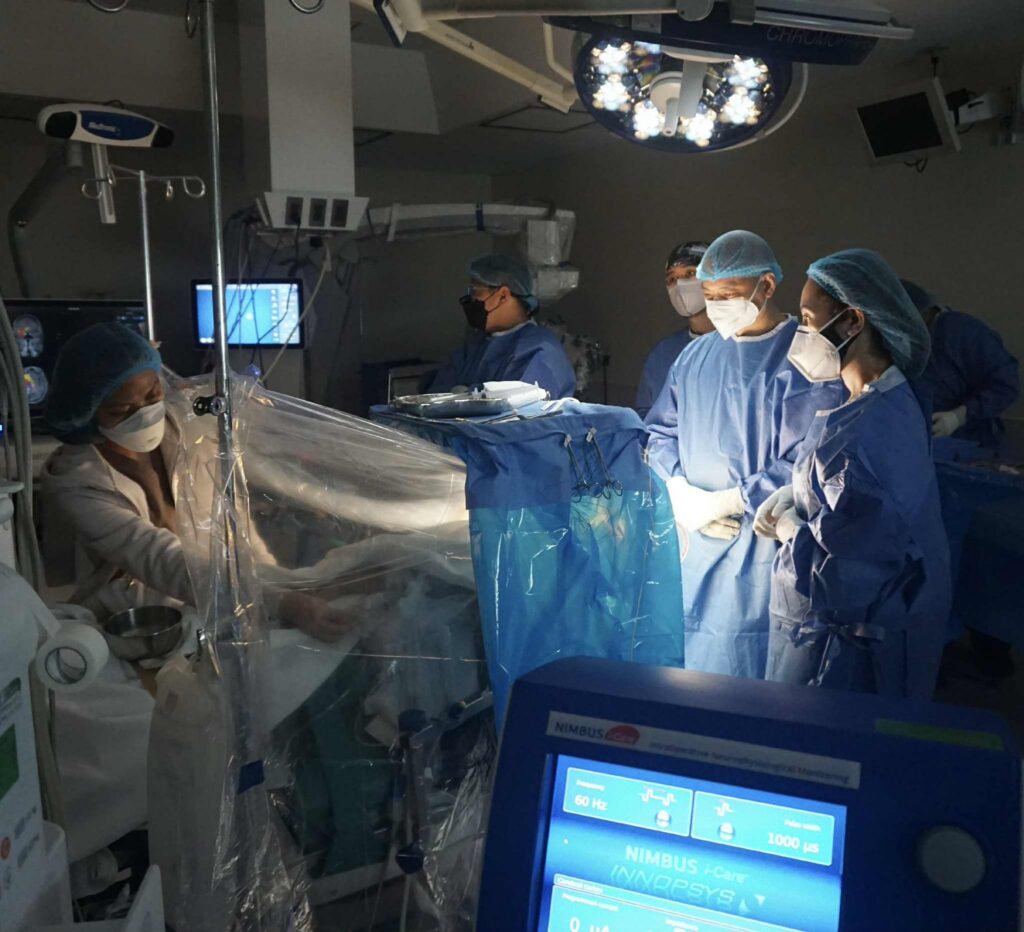
Yes. Awake Craniotomy is carried out in specialized medical centers equipped with advanced surgical technology and conducted by a highly skilled and experienced team. Throughout the procedure, you are closely monitored by a multidisciplinary team, including your neurosurgeons, neuropsychologist, neurophysiologist, and neuroanesthesiologists.

What is the most common complication of Awake Craniotomy, and how does the team prevent it?
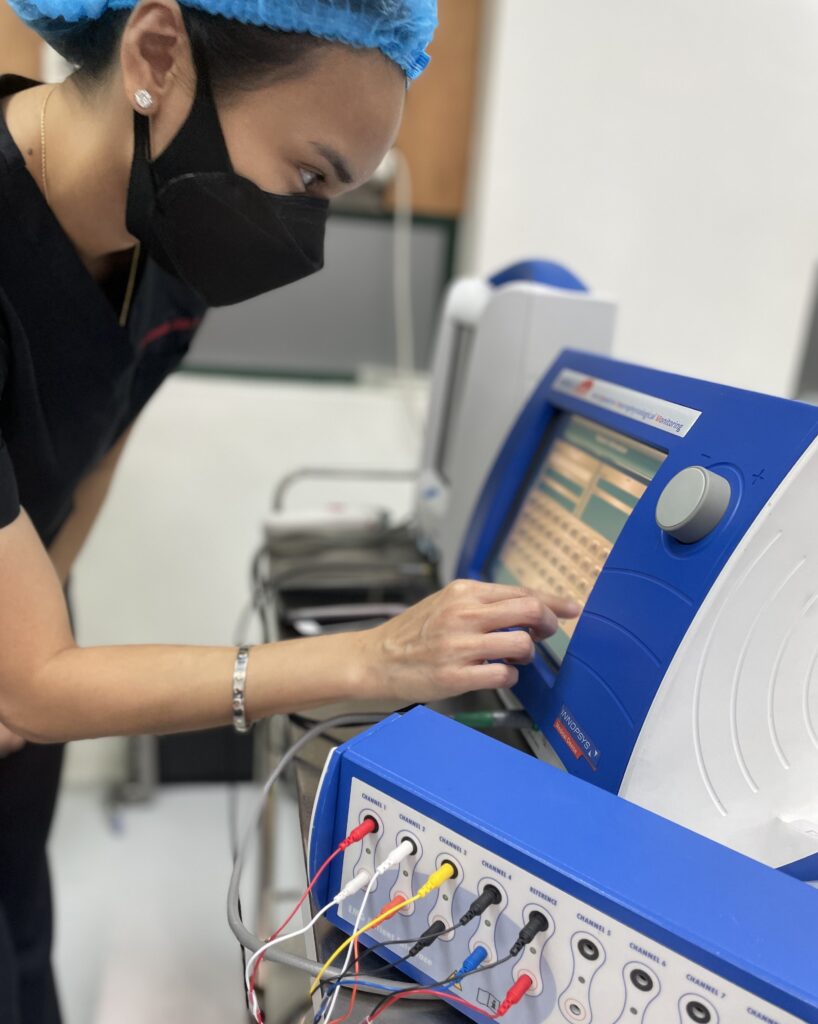
For high risk patients, the most common complication is a brief seizure that can happen while operating near active brain tissue. Our team prevents this by using Electrocorticography (ECoG), an advanced technology that continuously monitor your brain’s electrical activity so any early signs of a seizure can be controlled right away.
What other complications can happen during Awake Craniotomy, and how does the team prevent them?
Another possible complication is a temporary or permanent neurologic deficit, such as weakness, incoordination, speech difficulty, or sensory changes after the surgery. To prevent this, our team carefully selects the most appropriate neuropsychological tests (also called intraoperative tasks) that you will perform during the procedure.
In addition, our team uses intraoperative neurophysiologic monitoring (IONM) — another advanced technology that continuously tracks your brain’s electrical activity. This allows our neurophysiologist to detect early signs of functional compromise so the neurosurgeon can safely stop the resection before any permanent damage occurs.
What is the success rate of motor and language mapping under General Anesthesia?
Under general anesthesia, motor mapping only targets 45-49% of the total motor brain function. Also, language mapping has much lower sensitivity than awake mapping. This means you risk missing important motor, language and other important sites if you rely only on anesthesia approaches.
If preserving functions is very critical, especially lesions near motor, speech, memory, comprehension and other higher-cognitive areas, then Awake Craniotomy with functional brain mapping remains the gold standard because it allows direct testing and real-time feedback.
Can functional MRI be used instead of an Awake Craniotomy to help preserve my brain functions?
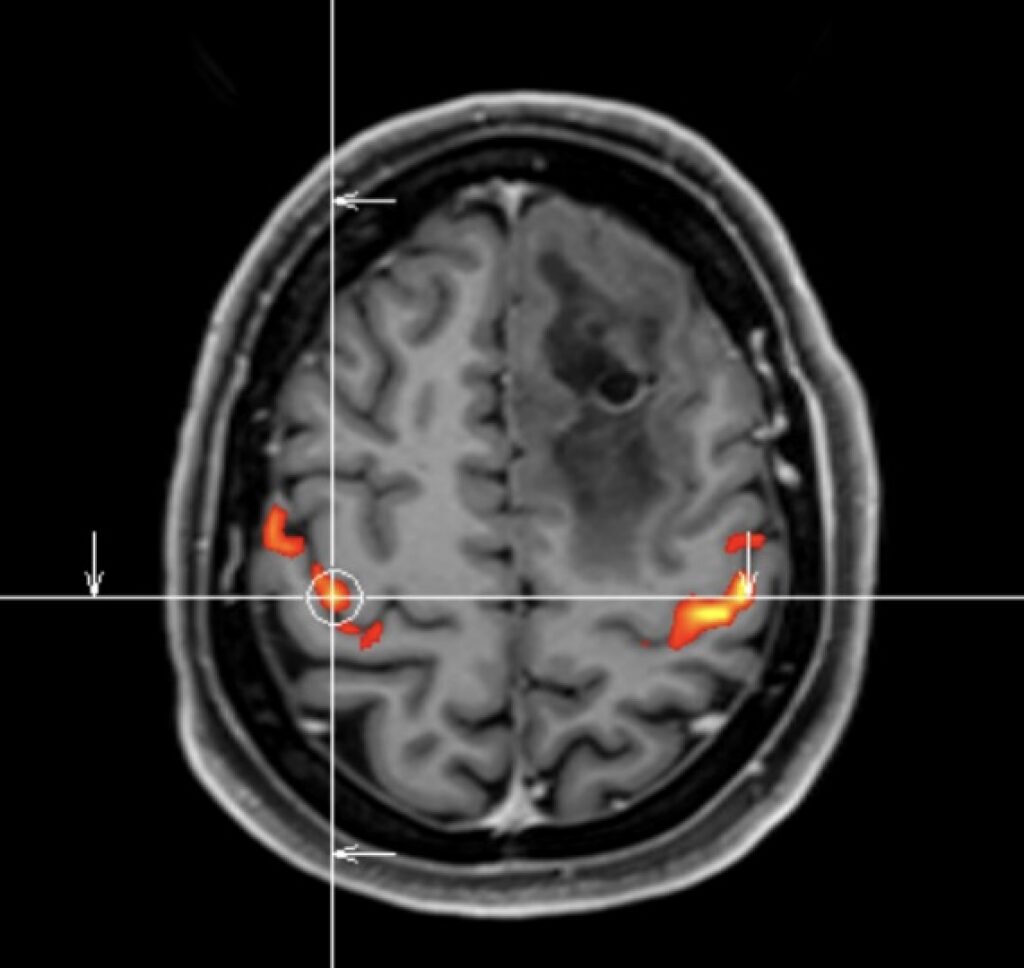
No. While functional MRI (fMRI) and Awake Craniotomy are complementary they are not interchangeable. They serve different purposes and have different levels of accuracy. fMRI shows many areas of brain activities, including those that are not absolutely necessary therefore is not specific. Brain mapping during Awake Craniotomy is very specific in identifying the most essential areas needed for functions like motor skills or speech.
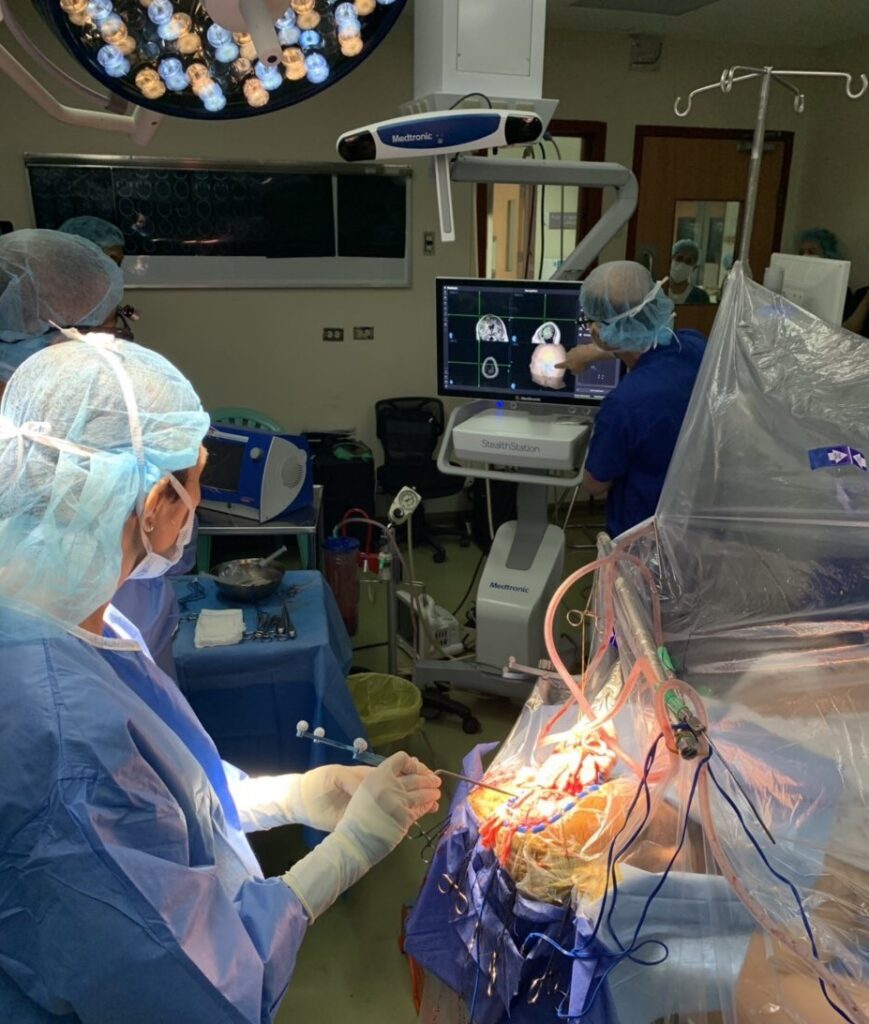
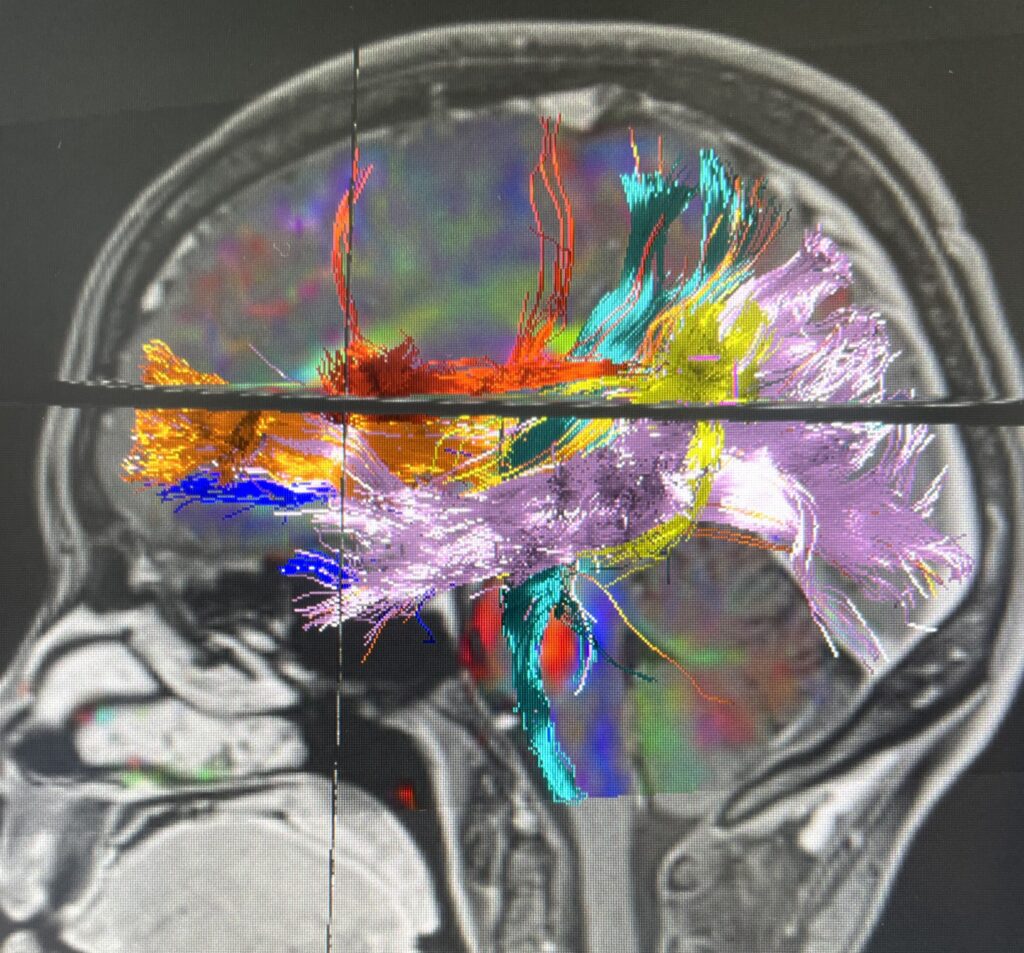
Can Tractography be used instead of an Awake Craniotomy to help preserve my brain functions?
No. While the two are often used together to shorten surgical time and maximize safety, Tractography cannot be a substitute for Awake Craniotomy when precise, real-time functional mapping is needed to protect brain functions.
Before Surgery
How should I prepare for Awake Craniotomy?
You will have scans such as MRI or functional MRI and meet the surgical team. Your neurosurgeon and neuropsychologist will walk you through each step of the process to help you understand what to expect. They will also help you mentally prepare to reduce anxiety throughout the procedure.
Can I eat or drink before surgery?
Usually you will need to stop eating and drinking several hours before the procedure. Your anesthesiologist will give you exact instructions.
What if I’m nervous or anxious right before or during surgery?
Feeling nervous is completely normal. Your anesthesiologist can give you medication to help you relax, and you will have the support of your entire surgical team from start to finish.
During Surgery
Will I feel any pain?
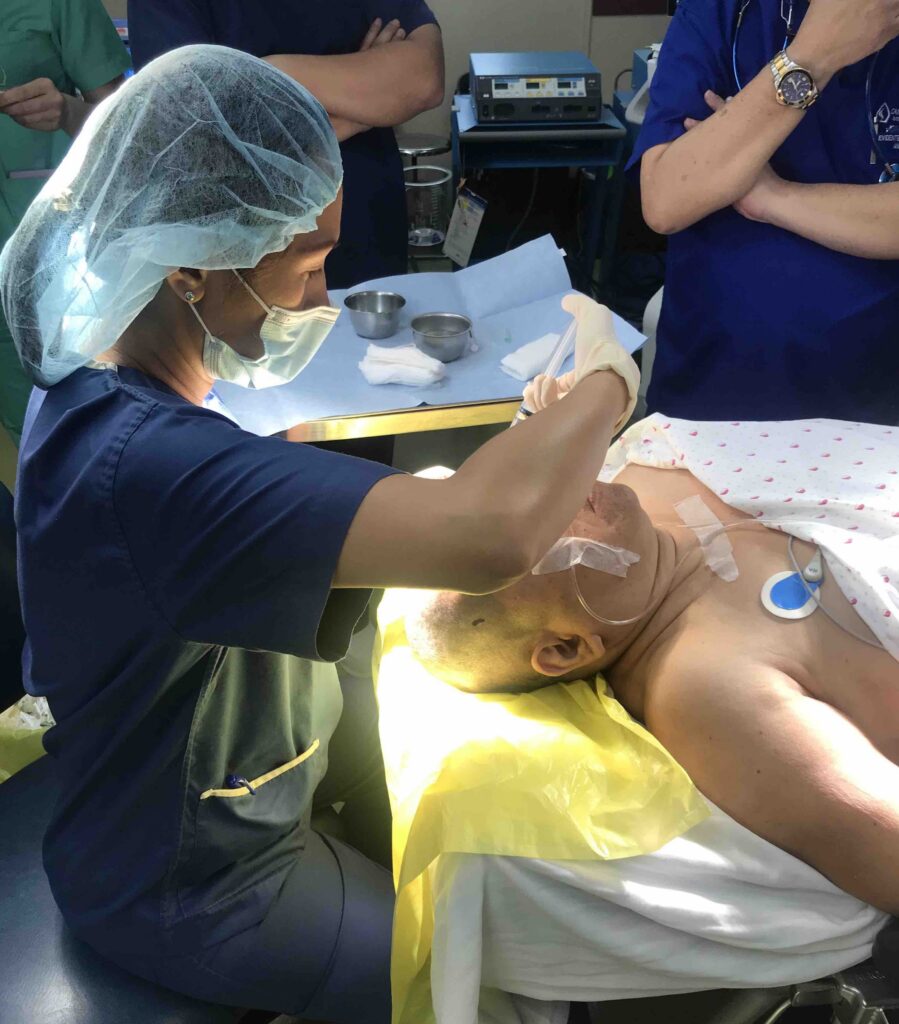
No. The brain has no pain receptors. Local anesthesia and analgesia ensure you remain comfortable. You may feel some gentle pressure, but not pain.
How “awake” will I be?
You will only be awake during the critical brain mapping portion of the surgery. Before and after that, you will be sedated.
Will I remember the surgery?
Yes. Remembering the surgery is a way of knowing that your brain functions are intact. Most patients describe the experience as calm and less frightening than expected.
What kind of tasks will I need to do?
You might be asked to read, count, move your fingers, write, or name objects – everything depends on the location of the lesion. More complex tasks may be required, particularly if your profession or hobbies involve technical motor skills or other higher-level cognitive such as judgement. These tasks help the team identify and protect important brain areas so you can resume your work and hobbies.
What if I cannot memorize the tasks or I won’t remember them during the surgery?
Don’t worry. Before the surgery, your neurosurgeon and neuropsychologist will help you rehearse these tasks. Also, there’s no need to memorize anything at all.
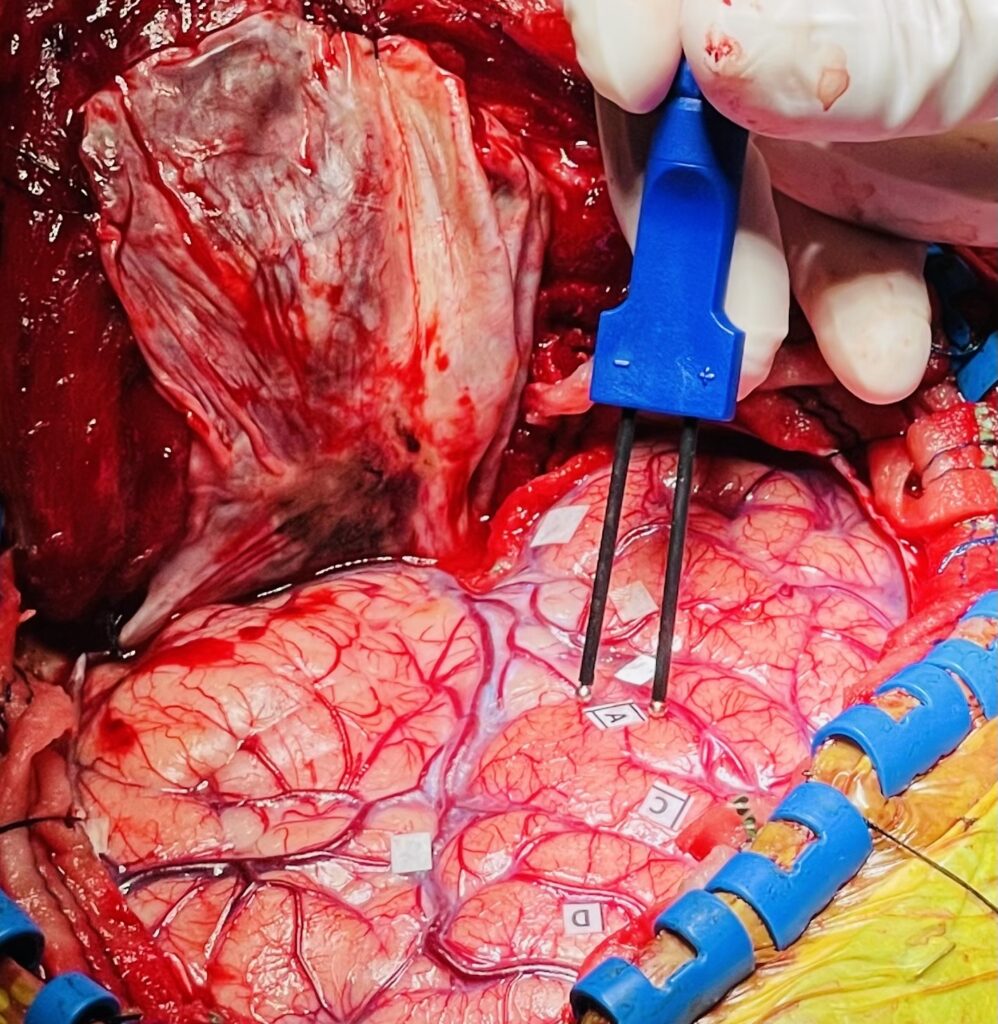
While I’m awake, will I be able to see my brain surgery as it happens?
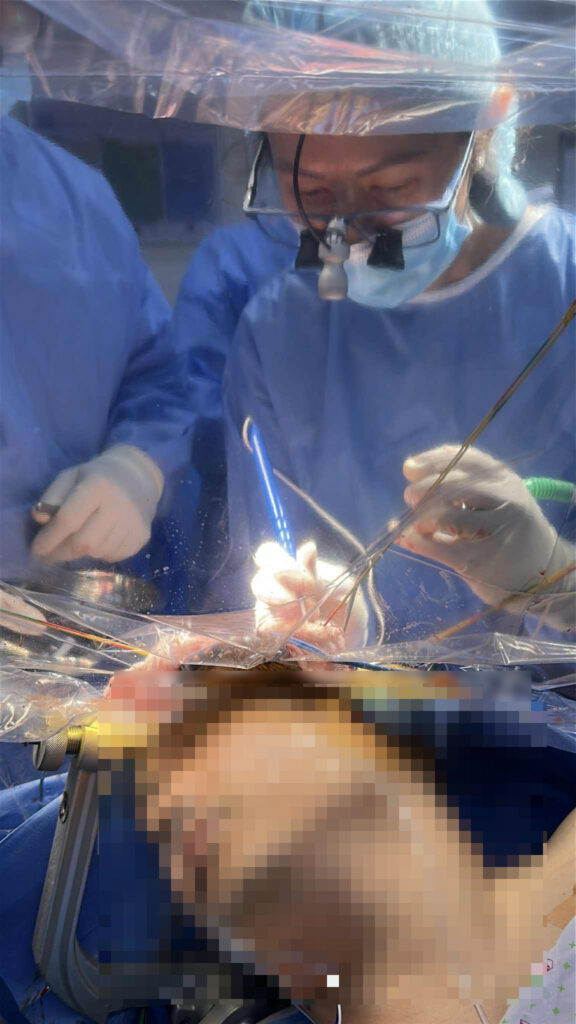
No. Your head is positioned and covered so you cannot see the surgical area. Patients focus on the tasks they are given, not on the operation itself.
After Surgery
How long is the recovery?
Most patients stay in hospital for 5-7 days. Recovery times vary depending on the type of tumor and your overall health.
Will I need rehab or therapy afterward?
Some patients benefit from speech therapy, occupational therapy, or physiotherapy after surgery. This will be arranged as needed only.
When can I go back to work or drive?
This depends on your recovery and type of work. Your neurosurgeon will give you specific guidance.
Other Questions
Can I bring a family member into the operating room?
No. For safety and sterility reasons, family members cannot be present during surgery. However, they will be updated about the procedure.
Is Awake Craniotomy suitable for children?
Because children’s brains are still developing, their language and motor regions can be more diffuse and dynamic, which makes functional mapping more challenging. However, Awake Craniotomy may still be appropriate if the child is able to cooperate, comprehend simple instructions, and tolerate being partly awake during the procedure.
Have more questions?
Whether you already have a diagnosis or need a complete evaluation, Dr. Abigail Javier-Lizan can guide you through your options.
GET IN TOUCH